



Psychosocial Risk Assessment Sydney
Independent Support for Sydney Workplaces
BWC Safety provides independent psychosocial risk assessments in Sydney to help organisations identify workplace hazards, employee concerns and gaps in existing controls.
Our consultants work with management and staff to understand the risks, what may be contributing to them and what practical action can be taken.
Make an Enquiry
Independent and confidential
Experienced Sydney safety consultants
Practical, evidence-based recommendations
Typically completed within 6-8 weeks
Supporting Sydney Organisations
Most organisations already have workplace policies, procedures and employee support programs in place.
The larger question is whether those measures are actually controlling the risks in day-to-day operations.
An independent review can identify issues that may not be apparent through the normal reporting process and can assist management in deciding if existing measures are effective.
BWC Safety serves organisations across Sydney and NSW, such as government, construction and infrastructure, transport, healthcare, manufacturing, engineering and professional services.
Sydney Office:
Level 14, 3 Parramatta Square, Parramatta NSW 2150
Supporting organisations throughout Sydney and NSW.


NSW Requirements for Managing Psychosocial Risks
Psychosocial hazards are workplace health and safety risks and need to be managed in the same systematic way as physical safety risks.
NSW WHS laws require businesses to identify reasonably foreseeable hazards and eliminate or minimise the risks they pose, so far as is reasonably practicable. This can include workload, job demands, lack of job control, lack of role clarity, lack of support, organisational change, workplace relationships, bullying, harassment, violence and aggression.
The NSW Managing Psychosocial Hazards at Work Code of Practice offers practical advice on how to identify hazards, consult with workers, assess risk and take action.
NSW businesses must comply with the Code or manage the hazards and risks in another way that provides an equivalent or higher standard of health and safety.
An independent assessment can assist your organisation in identifying whether existing controls are effective and if more action is needed.
When is an Independent Assessment a Good Idea?
You don’t have to wait for a serious incident before reviewing psychological health and safety in the workplace.
An independent assessment may be appropriate if:
- Staff have expressed concerns regarding workload, management or workplace behaviour
- Psychological injury claims or absenteeism are increasing
- Your organisation is going through significant change
- Bullying, harassment or workplace conflict complaints have been made
- Senior management wants an unbiased perspective of the workplace
- You don’t know if existing risk controls are effective
- Employee surveys are highlighting areas of concern
- You want to identify issues before they become a problem
The objective is to identify the risks, understand their source and what can reasonably be done to reduce them.
How the Assessment Works
The scope will vary from organisation to organisation, depending on your employees, workplaces, work environment and safety systems.
Our approach generally includes:

1 / Initial Consultation
We begin by gaining an understanding of your organisation, your workforce, your processes and why the review is taking place.

2 / Confidential Employee Consultation
Information may be gathered through staff surveys, interviews or a combination of both, which are conducted confidentially. This enables staff to give honest feedback on their working environment, job demands, management practices and workplace relationships.

3 / Hazard and Risk Review
The information collected is analysed by our consultants to look for common themes, areas of concern and organisational factors that could be contributing to these. Existing controls, the likelihood of exposure and potential consequences are also taken into account.

4 / Management Reporting
Senior management is provided with a clear report of key findings, hazards identified, contributing factors and areas for attention.

5/ Recommendations and Action
We provide practical recommendations to help management prioritise issues, improve existing controls and determine suitable next steps.

Contact us for advice
For more information about the methodology and broader service, see our Psychosocial Risk Assessments overview.
What We Look For
Psychosocial hazards may be related to the design, organisation and management of work, as well as interactions and behaviours in the workplace.
Our consultants will take into account the following areas:
- Excessive workloads or unrealistic deadlines
- Low job control
- Role conflict or role ambiguity
- Poor management support
- Inadequate consultation
- Organisational change
- Workplace conflict
- Bullying and harassment
- Violence and aggression
- Poor workplace relationships
- Remote or isolated work
- Exposure to traumatic events or material
The review not only evaluates whether there is a problem, but also the likelihood of exposure, the potential impact and whether current controls are adequate.
Why Independence Matters
Reviews of psychosocial hazards can involve sensitive issues.
Staff may be asked about workload, management practices, workplace relationships, bullying, harassment and other issues that they may not feel comfortable discussing internally.
An independent consultant can provide employees with more assurance that their feedback will be treated confidentially, while providing management with a more objective view of the workplace.
BWC Safety offers independent, confidential and evidence-based feedback to assist management in understanding what is occurring throughout the organisation.


What You Receive
At the completion of the assessment, your organisation will have:
- A better understanding of its psychosocial risk profile
- Significant workplace hazards identified
- An evaluation of the level of risk
- A review of existing controls
- Practical recommendations and priorities for improvement
- A clear management report outlining the way forward
The aim is to provide information that can be acted upon, not just another report.
Meet Some of Our Senior Sydney Consultants
Your assessment will be carried out by experienced workplace safety practitioners who are knowledgeable about psychosocial hazards in the context of WHS, leadership, work design and organisational culture.

Bernie, is the director of BWC Safety. He has worked closely with the executive leadership teams of large organisations on highly successful multi-year transformation programs over the last thirteen years.
Bernie, has an operations management background with 23 years’ experience leading manufacturing and maintenance operations for businesses in packaging production, equipment and construction materials manufacturing.

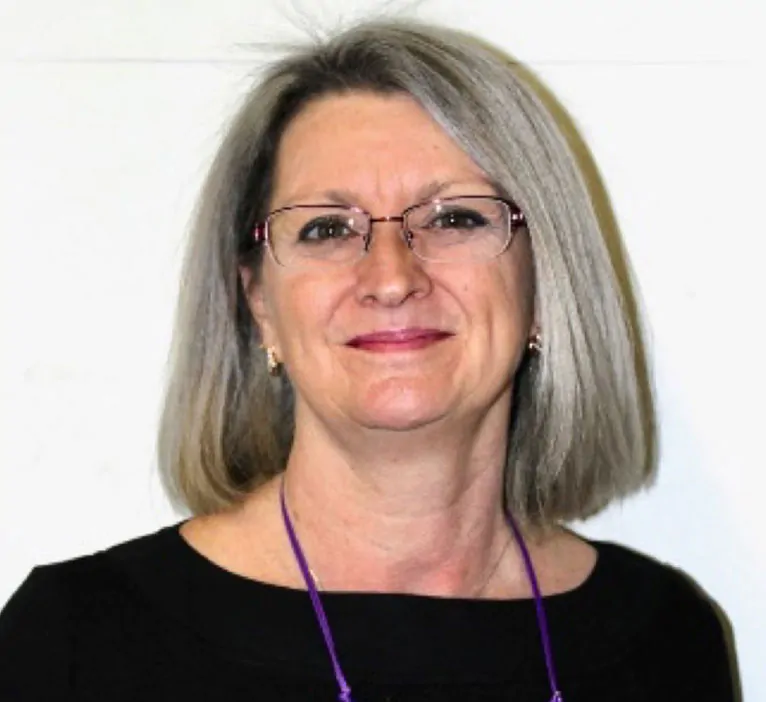
Lisa is an experienced Senior Executive with over 25 years working in complex operations environments. Lisa has held senior roles in: Safety & Risk management strategy, execution and governance; Infrastructure, engineering and project management; Operations & commercial management; Supply Chain management & optimization; Business Strategy, business transformation and organisational design & change.

With a strong record of success across infrastructure, rail, civil construction and heavy industry, Patricia is a proven leader known for driving operational excellence and delivering measurable improvements in safety, quality, environmental performance and operational outcomes. An expert in fostering proactive safety cultures, reducing risk and ensuring compliance across complex, high-stakes projects, Patricia brings a collaborative, solutions-focused approach to safety.
Frequently Asked Questions
Do NSW Businesses Need to Manage Psychosocial Hazards?
Yes. NSW businesses are required under workplace health and safety laws to identify and manage psychosocial hazards and the risks they pose.
The appropriate approach will depend on the workplace, workforce and nature of the hazards involved.
How Long Will It Take?ence between a WHS audit and a safety inspection?
The typical BWC Safety assessment takes about 6–8 weeks.
This will vary depending on the size of the organisation, number of employees, locations and the consultation process required.
Is Employee Feedback Confidential?
Yes.
Confidentiality is a key component. BWC Safety may conduct confidential employee surveys and interviews, and individual responses will be de-identified prior to reporting to management.
What Happens After Hazards Have Been Identified?
The identification of the hazard is just the first step.
The organisation will then need to assess the risk, existing controls and what further controls may be reasonably practicable.
BWC Safety offers practical recommendations to assist management in prioritising issues and determining what to do next.

Book an Assessment in Sydney
An independent review can help clarify how well psychosocial hazards are being managed in your organisation if you are unsure. Discuss your workplace, concerns and scope with BWC Safety.